
Temple of Literature: Daytime Exploration in Hanoi | Hanoi City Map
- Quynh Tho Dinh
- Oct 2, 2025
- 3 min read

Discover the Temple of Literature in Hanoi with Hanoi City Map – walk its peaceful courtyards, learn history, and experience Vietnam’s scholarly heritage like a local.
Morning Tranquility
Step into Văn Miếu – Quốc Tử Giám early in the morning, and you’ll feel the calm energy of a place where scholars once walked, studied, and debated. The air is cool, and the stone paths echo faintly under your steps.
Visitors might be few at this hour, making it perfect to absorb the history and beauty. The gardens are lush, ponds reflect the ornate architecture, and the gentle hum of water and birds adds a serene soundtrack.
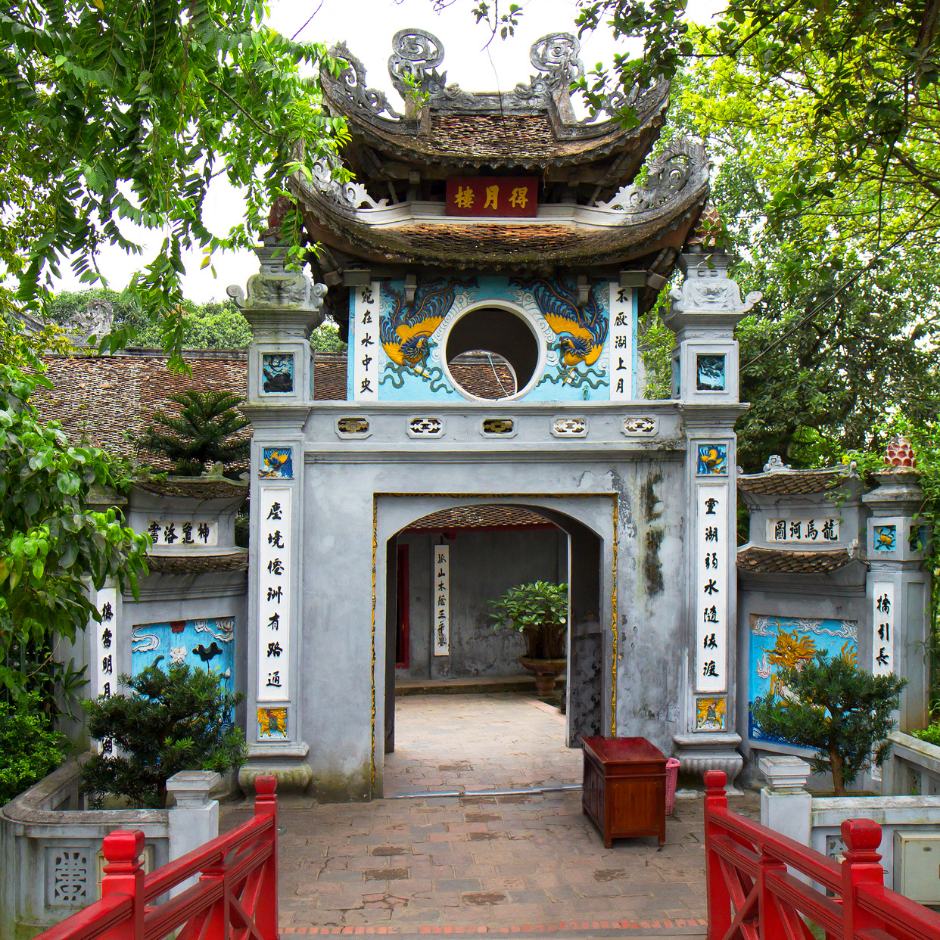
Courtyards and Architecture
The Temple of Literature is organized into five main courtyards, each with its own character and story:
1. The Great Gate – Van Mieu Gate
Enter through the tall, red gate adorned with traditional motifs. Pause and admire the details – dragons, phoenixes, and inscriptions that have witnessed centuries of history.
Take a moment to notice the balance of symmetry, a hallmark of classical Vietnamese architecture.
2. Khuê Văn Các – Pavilion of the Constellation of Literature
This is the symbol of the Temple and of Hanoi itself. Standing under the roof, you can look up at the intricate wooden carvings and appreciate the craftsmanship.
Tip: Snap photos from different angles – early morning light creates beautiful reflections on the pond nearby.
3. Stelae of Doctors – Honor the Scholars
Walk along the stone stelae engraved with names of the country’s top scholars. Each stele is carried by a tortoise, symbolizing wisdom and longevity.
Pause, read some inscriptions, and imagine generations of students dedicating themselves to learning here.
4. Gardens and Trees – Green Spaces of Reflection
Ancient trees shade the courtyards, their roots weaving into history.
It’s easy to sit on a bench and watch locals and tourists alike – some sketching, some quietly meditating, others simply walking.
Experiencing Culture
The Temple of Literature is more than architecture; it’s a living cultural experience:
Calligraphy: You might see artists writing names or wishes in traditional Vietnamese calligraphy. Why not try one yourself?
Local guides and storytellers: Ask about the Confucian principles, the history of Vietnam’s first university, and the lives of the scholars. Their stories make the place come alive.
Ceremonial events: Occasionally, you’ll witness traditional ceremonies or student performances – a reminder that culture here is not static.
Culinary and Nearby Experiences
After exploring the temple, wander into the surrounding streets:
Small cafés offer egg coffee or Vietnamese drip coffee. Perfect to sit, relax, and reflect on what you just experienced.
Street vendors sell Banh Cuon or Bun Rieu – authentic Hanoi flavors that make your morning adventure even richer.
Souvenir shops carry miniature stelae, bookmarks, or handcrafted items – small mementos of your visit.

Sensory Walk
A visit here engages all senses:
Sight: Ornate gates, wooden carvings, stone tortoises, gardens and ponds.
Sound: Birds, flowing water, soft footsteps, distant conversations.
Smell: Incense, fresh flowers, morning street food.
Touch: Smooth stone stelae, textured wooden gates, carved rooftops.
Taste: Egg coffee, Banh Cuon, street snacks nearby.
Walking slowly allows you to feel the wisdom and serenity embedded in every corner.
Hanoi City Map Day Plan
Here’s a suggested itinerary with the Hanoi City Map:
Morning: Enter through the Great Gate, walk the first courtyard, absorb the calm.
Mid-morning: Visit Khuê Văn Các, admire the architecture, and take photos.
Late morning: Explore the Stelae of Doctors, sit under trees, watch daily life unfold.
Lunch: Grab street food nearby, sip coffee, and reflect on your experience.
Every step is a chance to connect with Vietnam’s scholarly past, its culture, and its people.
Leaving with a Memory
The Temple of Literature is not just a tourist site – it’s a lesson in history, culture, and mindfulness:
You’ll leave remembering the elegance of the gates, the serenity of the ponds, the stories carved in stone.
A quiet stroll here can remind you why Hanoi is called the city of learning and culture.
Whether you sketch, take photos, or just sit and breathe, the experience stays with you.
Let Hanoi City Map guide you through Văn Miếu – Quốc Tử Giám. Walk slowly, feel the history, learn the stories, and leave with a memory of Hanoi’s scholarly heart.


Comments